






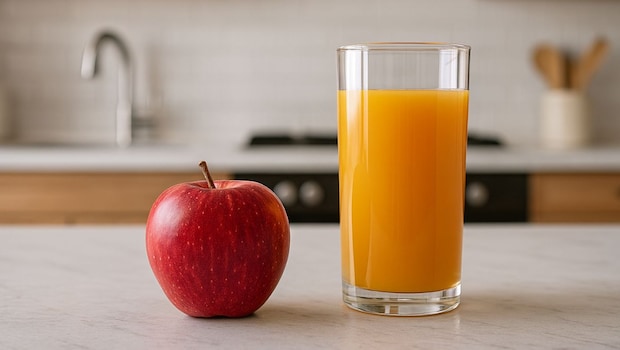
Fruits have long been considered the epitome of healthy eating, yet for those managing diabetes, the choice isn't always straightforward. While the natural sweetness of fruit can feel like a guilty pleasure, it doesn't have to be off-limits. In fact, the right approach can turn fruit into a powerful ally for better health. It's not about strict avoidance, but about making informed decisions that work with your body's needs. As experts emphasise, certain fruits can support balanced blood sugar and overall well-being, proving that living with diabetes doesn't mean giving up on nature's most vibrant flavours. But which is better for diabetics – whole fruit or pressed juice? Let's break it down for you:
Also Read: Why Eating A Bowl Of Vegetable Soup Before Meals Helps Reduce Weight And Belly Fat
How Whole Fruits Affect Blood Sugar
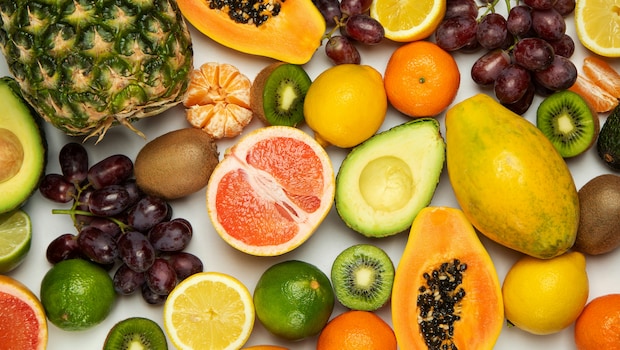
Photo: Unsplash
Whole fruits contain natural sugars along with water and plant compounds. The fibre slows down digestion and helps prevent sudden spikes in blood glucose levels. According to nutrition consultant Rupali Datta, “When fruit is eaten whole, the fibre acts as a natural regulator, allowing sugar to be absorbed gradually.”
This steady release makes whole fruits a safer option for people managing diabetes, especially when consumed in moderate portions and paired with meals.
What Changes When Fruit Becomes Juice

Photo: Unsplash
As per nutritionist Rujuta Diwekar, “Fresh juice is not for people dealing with diabetes, PCOD, obesity, heart disease, etc. It can quickly upset blood sugar regulation and deprive them of essential nutrients that would otherwise be available with proper chewing of fresh fruit/vegetable,” Rujuta added.
Juicing removes most of the fibre while concentrating the fruit's natural sugars. As a result, fruit juice is digested quickly and can cause a rapid rise in blood sugar. This is why fruit juice, even without added sugar, is generally discouraged for people with diabetes.
Satiety And Portion Control
Whole fruits require chewing, which signals fullness and helps prevent overeating. Fibre and water content contribute to satiety, making it less likely to overconsume calories. “People feel satisfied after eating a fruit, but juice doesn't offer the same fullness,” says dietitian Ananya Verma. For diabetes management, this difference plays a key role in controlling overall carbohydrate intake.
Are Any Fruit Juices Ever Acceptable?

Photo: Unsplash
In specific situations, such as treating low blood sugar episodes, fruit juice may be used because it raises glucose levels quickly. However, this is a medical use rather than a daily habit. For routine consumption, whole fruits remain the better option, as per the experts. If you still feel like consuming juice, it is best to consult a medical professional before making any changes to your diet.
Also Read: Blueberries vs Guava: Which Is A Better Source For Vitamin C
Which Fruits Work Best for Diabetics

Photo: Unsplash
As per renowned Health Practitioner, Nutritionist, and certified Macrobiotic Health Coach Shilpa Arora ND, these ten fruits are ideal for those managing diabetes due to their low glycaemic index, rich antioxidants, and fibre content:
- Pomegranates: Packed with antioxidants, pomegranates offer extensive protection against free radicals, making them a powerful addition to blood sugar control.
- Grapes: Containing resveratrol, grapes support insulin function and help stabilise blood glucose levels.
- Apples: A fibre-rich fruit, particularly with skin on, apples are linked to a reduced risk of type 2 diabetes.
- Blueberries: High in anthocyanins, these berries are known to lower diabetes risk and enhance antioxidant defences.
- Strawberries: With their low glycaemic index, strawberries are absorbed slowly, helping prevent sugar spikes.
- Guava: An excellent, low-GI snack packed with dietary fibre that also supports digestive health.
- Watermelon: Rich in lycopene and potassium, watermelon aids kidney function and reduces nerve damage risk.
- Cherries: Another anthocyanin-rich fruit, cherries stimulate insulin secretion and improve glucose metabolism.
- Papaya: Full of natural antioxidants, papaya safeguards cells from sugar-related damage.
- Oranges: Flavonols and phenolics in oranges slow glucose absorption and enhance metabolic control.
So, as per the experts, if you are diabetic, it is best to consume the fruit whole rather than juicing it to keep your insulin levels in check. So go on and include these fruits in your diet.
Disclaimer: This content including advice provides generic information only. It is in no way a substitute for qualified medical opinion. Always consult a specialist or your doctor for more information. NDTV does not claim responsibility for this information.