

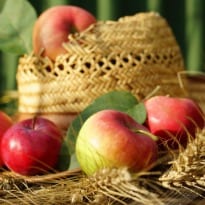
Increasing consumption of fibre-rich foods can lower risk of both cardiovascular disease (CVD) and coronary heart disease (CHD), a new study has found.
The study looked at the following fibre intake: total, insoluble (whole grains, potato skins etc), soluble (legumes, nuts, oats, barley etc), cereal, fruit, vegetable and other
sources.Results from analyses of total, insoluble, fruit and vegetable fibre intake showed that the likelihood of a CVD or CHD event steadily lowers with increasing intake.In soluble fibre, a higher reduction was seen in CVD risk than CHD risk and for cereal fibre, the reduced risk of CHD was stronger than the association with CVD.A significantly lower risk of both CVD and CHD was observed with every additional 7g per day of fibre consumed. The researchers said these findings are aligned with current recommendations to increase fibre intake and demonstrate a large risk reduction with an achievable increase in daily fibre intake and said this could "potentially impact on many thousands of individuals."They added that an additional 7g of fibre can be achieved through one portion of wholegrains (found in bread, cereal, rice, pasta) plus a portion of beans/lentils or two to four servings of fruit and vegetables.The researchers concluded that "diets high in fibre, specifically from cereal or vegetable sources ... are significantly associated with lower risk of CHD and CVD and reflect recommendations to increase intake."Greater intake from fruit fibre was associated with lower CVD risk. They recommend further work on the association with soluble or insoluble types of fibre.The study was published in the British Medical Journal.

 "Keep Learning New Skills": Andrew Ng On 'AI Jobapocalypse' Fear
 Mohini Dey Says She Carries Her Roots Wherever She Goes: 'I Am A Bengali Girl'
 Nikhil Kamath Shows 'Delay Gratification' Tattoo, Reveals Mantra Behind It
 NDTV World Summit 2026: What Nikhil Kamath Said On Inheritance Tax
 Not Another News Platform: What Nikhil Kamath Wants To Build Next
 What Gen Z Has That Millennials Don't? Mohini Dey & Band Weigh In
 Chatbots Could Be Damaging Adult Learning Too: Andrew Ng
 Swami Sarvapriyananda Asks On AI Alignment; Andrew Ng Flags Risks Of Overhyping AI Fears
 "Keep Learning New Skills, Jobs Will be There": Andrew Ng On 'AI Jobapocalypse' Fear At NDTV World Summit
 Nikhil Kamath Recalls Satya Nadella's Remark: 'I Don't Touch An Indian Product' In The US
The study looked at the following fibre intake: total, insoluble (whole grains, potato skins etc), soluble (legumes, nuts, oats, barley etc), cereal, fruit, vegetable and other
sources.Results from analyses of total, insoluble, fruit and vegetable fibre intake showed that the likelihood of a CVD or CHD event steadily lowers with increasing intake.In soluble fibre, a higher reduction was seen in CVD risk than CHD risk and for cereal fibre, the reduced risk of CHD was stronger than the association with CVD.A significantly lower risk of both CVD and CHD was observed with every additional 7g per day of fibre consumed. The researchers said these findings are aligned with current recommendations to increase fibre intake and demonstrate a large risk reduction with an achievable increase in daily fibre intake and said this could "potentially impact on many thousands of individuals."They added that an additional 7g of fibre can be achieved through one portion of wholegrains (found in bread, cereal, rice, pasta) plus a portion of beans/lentils or two to four servings of fruit and vegetables.The researchers concluded that "diets high in fibre, specifically from cereal or vegetable sources ... are significantly associated with lower risk of CHD and CVD and reflect recommendations to increase intake."Greater intake from fruit fibre was associated with lower CVD risk. They recommend further work on the association with soluble or insoluble types of fibre.The study was published in the British Medical Journal.