


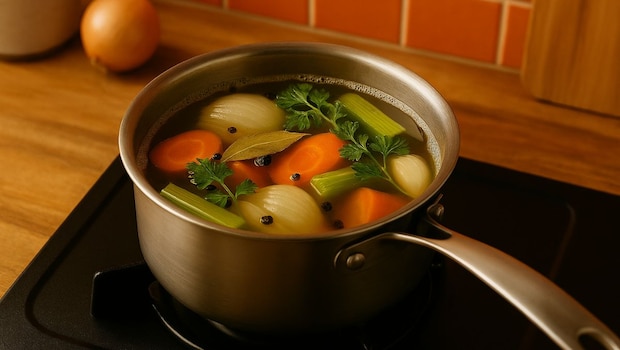
Have you ever noticed how restaurant-style soups, gravies and even simple vegetable curries taste deeper, richer, and more rounded than what we often make at home? It is not always extra butter or exotic spices doing the heavy lifting. More often than not, the difference lies in what goes into the base. Vegetable stock is one of those quiet kitchen essentials that rarely gets the credit it deserves. It works behind the scenes, building flavour slowly and naturally, without overpowering the dish. The good news is that you don't need professional equipment or fancy ingredients to make it. With a handful of vegetables and a little patience, you can create a stock that instantly upgrades everyday cooking. Here's how to make vegetable stock at home, the right way.
Also Read: Tea Gone Bitter? These 5 Hacks Will Save And Make It Perfect
What Exactly Is Vegetable Stock?
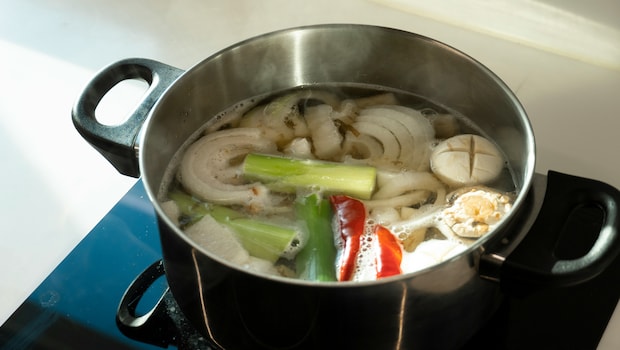
Photo: Unsplash
Vegetable stock is a light, flavourful liquid made by gently simmering vegetables, herbs and aromatics in water. It is used as a base for soups, risottos, curries, sauces, and even dals. Unlike plain water, vegetable stock adds depth and complexity without making the dish heavy. A good stock should taste clean, mildly sweet, and aromatic, not bitter or overly seasoned.
How To Make Vegetable Stock At Home | Easy Vegetable Stock Recipe
Ingredients Required:
- Onion, roughly chopped
- Carrot, chopped
- Celery or leek (optional but recommended)
- Garlic cloves
- Bay leaf
- Black peppercorns
- Fresh herbs like parsley or coriander stems
- Water
Steps To Make Vegetable Stock
1. Prepare the Base

Photo: Pexels
Start by heating a large pot and adding a little oil. This helps release the aroma of the vegetables without making them greasy.
- Lightly saute the vegetables just enough to bring out their fragrance.
- Avoid browning, as it can alter the flavour of the stock.
2. Add Liquids and Flavour
Once the vegetables are fragrant, it's time to build the flavour profile.
- Pour in enough water to completely cover the vegetables.
- Add herbs and whole spices for depth and aroma.
- Bring the mixture to a gentle boil, then reduce to a simmer.
3. Simmer and Strain
Patience is key for a rich, flavourful stock.
- Let it simmer on low heat for 45–60 minutes to extract maximum flavour.
- Strain and discard the solids once done.
- Allow the stock to cool before storing for later use.
The key is slow simmering. Vegetable stock should never be rushed.
How To Season Vegetable Stock Properly

Vegetable stock should be subtly flavoured, acting as a base for other dishes rather than stealing the spotlight. Think of stock as a foundation, not the final dish.
- Avoid adding salt if you plan to use it in multiple recipes.
- If seasoning is necessary, add just a pinch of salt at the end.
- Let herbs and vegetables provide natural flavour instead of heavy seasoning.
- Over-seasoned stock limits its versatility in cooking.
Common Mistakes To Avoid While Making Vegetable Stock
A well-made stock is clear, balanced, and aromatic. Avoid these common errors to keep your stock perfect:
- Over-boiling the stock: This makes it cloudy and bitter.
- Using strong vegetables like cabbage or broccoli: They overpower the delicate flavour.
- Adding too many spices: Stock should support flavours, not dominate them.
- Cooking on high heat: Gentle simmering is essential for clarity and taste.
Avoiding these mistakes ensures your stock remains clean and versatile.
How To Use Vegetable Stock In Everyday Cooking
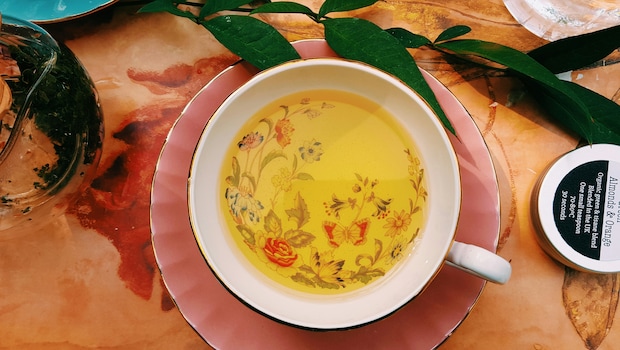
Photo: Unsplash
Vegetable stock is far more versatile than just soups. It can elevate everyday dishes with depth and aroma:
- Use it instead of water while cooking rice or pulao for extra flavour.
- Add to curries for a richer taste.
- Use as a base for clear soups and noodles.
- Enhance sauces, gravies, and even khichdi with stock instead of plain water.
Once you start using stock regularly, plain water will feel like a missed opportunity!
Also Read: Trying To Lose Weight This New Year? These 5 Morning Drinks Work Like Magic
How To Store Vegetable Stock Safely
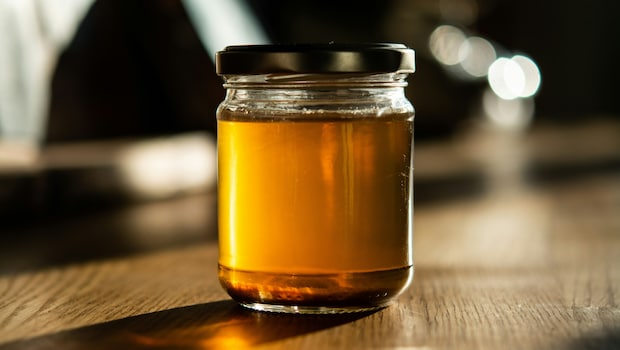
Photo: Unsplash
Proper storage keeps your stock fresh and flavourful for future use:
- Refrigerate for up to 3–4 days in an airtight container.
- Freeze in small portions for up to 3 months.
- Ice cube trays work well for measured use.
- Always cool the stock completely before storing it to prevent spoilage.
Homemade stock freezes beautifully without losing its flavour.
So, what are you waiting for? Go make a batch of fresh vegetable stock today!