



Roti is a comfort food in most Indian homes, yet the grain we choose often changes with the seasons. Our body reacts differently to heat, cold and humidity, and the right roti can help us feel lighter, warmer or more balanced. Traditional cooking has always followed this pattern and picked grains that support digestion and keep the body energised at the right time of year. Some grains cool the body, some bring warmth and some help when digestion slows down. Understanding this simple link makes everyday meals more wholesome and enjoyable. Here is a friendly guide to help you choose the best roti for every season.
Also Read: Leftover Rotis? Make These Crispy Spring Rolls In Minutes
Season Wise Roti Guide For Better Digestion And Health
1. Ragi Roti - Summer
Ragi has a cooling effect which makes it ideal for hot summer days. It prevents heat build up and keeps the body comfortable. Rich in calcium and fibre, it fills you up without feeling heavy. Its mild nutty taste works well with curd and light sabzis. It is a good choice when you want a wholesome yet calming meal.
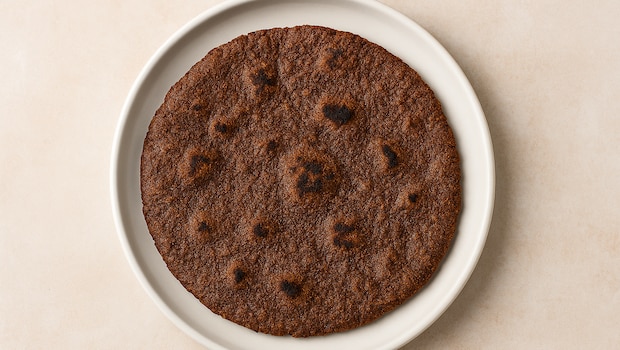
2. Jowar Roti - Summer
Jowar is naturally hydrating and helps the body stay cooler during warm months. It digests easily and does not cause heaviness after meals. The grain provides steady energy through the day. Its soft texture makes it a simple fit for everyday lunches. It also pairs well with chutneys and curd in summer.
3. Bajra Roti - Winter
Bajra brings warmth to the body which makes it perfect for winter. It keeps you full for long and provides slow, steady energy. The grain supports digestion when metabolism becomes sluggish in cold weather. Its earthy flavour blends beautifully with winter greens. It also tastes great with a little ghee on top.

4. Makki Roti - Winter
Makki roti gives a natural sense of warmth and comfort during chilly months. It is rich in fibre and offers long-lasting energy. Though slightly heavy, it supports the body's need for warmth in winter. When paired with seasonal vegetables, it becomes a hearty meal. It is also a favourite for its rustic taste.

5. Rajgira Roti - Monsoon
Rajgira helps settle digestion during the monsoon when humidity affects appetite. It is packed with minerals and nourishes without feeling too heavy. Its pleasant nutty flavour suits simple sabzis. The grain feels light yet satisfying in damp weather. It is also a good option for those who prefer gluten-free meals.
6. Besan Roti - Monsoon
Besan is known to be gentle on the stomach in humid weather. It digests easily and offers protein that keeps you energised through dull rainy days. Its warm, comforting taste works well when the air feels heavy. It is easy to prepare and adds variety to monsoon meals. It also pairs nicely with pickles and curd.
7. Whole Wheat Roti - All Seasons
Wheat has a naturally balanced nature which suits all seasons. It supports digestion and goes well with almost every Indian dish. Its steady energy release makes it perfect for daily meals. Light, familiar and versatile, it remains a staple in many homes. It also adapts well to both simple and rich gravies.
Also Read: Rice vs Roti, Which Is Better For Digestion And Weight Loss

A small shift in the roti you choose can help your body feel in tune with every season.