




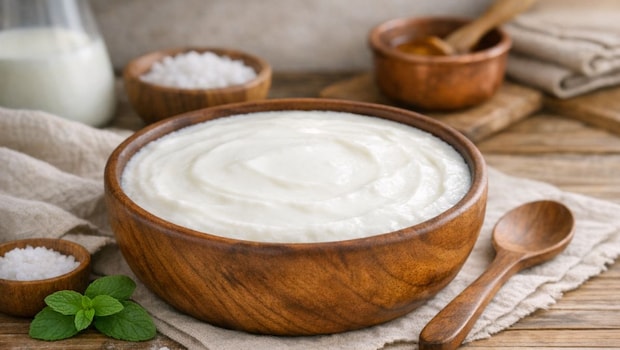
Curd is a daily staple in most Indian homes, especially during summer when it feels light, cooling and easy on the stomach. But warmer temperatures also mean one common problem: curd turning overly sour much faster than expected. You might set a fresh batch at night only to find it sharp and tangy by morning. The heat speeds up fermentation, making it tricky to maintain that mild, creamy taste we all prefer. The good news is that with a few simple kitchen tweaks, you can slow down this process and keep your curd fresh for longer without compromising on texture or flavour.
Also Read: These Simple Tricks Can Save Your Homemade Paneer From Tasting Like Rubber
Why Curd Turns Sour In Summer
Curd turns sour faster in summer because higher temperatures accelerate bacterial activity during fermentation. The heat helps good bacteria multiply rapidly, converting milk sugars into lactic acid at a much quicker pace. As acidity builds up faster, the curd develops a sharper, tangier taste sooner than expected. Without timely refrigeration, this natural process continues unchecked, leading to overly sour curd.
Here Are 5 Tips To Keep Curd From Turning Sour In Summer
1. Control The Fermentation Time
In summer, heat speeds up fermentation far more than we realise. Milk that takes 8-10 hours to set in winter can turn into sour curd within just a few hours during warmer months. The key is to stop the process at the right moment instead of letting it continue unchecked.
What you should do:
- Check the curd earlier than usual
- Stop fermentation as soon as it sets
- Avoid leaving it out overnight unnecessarily
Once the curd is set, move it to the fridge immediately to prevent it from turning sour.
2. Use Less Starter Culture
The quantity of starter curd you use directly affects how fast the curd ferments. Many people use the same amount year‑round, which works in winter but backfires in summer. Too much starter gives the bacteria a head start, making the curd sour very quickly.
Keep this in mind:
- Use a smaller quantity of starter in summer
Even ½ teaspoon is enough for 500 ml of milk
- Too much starter leads to faster souring
Using less culture slows fermentation and helps maintain a mild, creamy taste.
3. Choose The Right Spot To Set Curd
Where you place your curd container can quietly make or break the final taste. In summer, even small heat sources in the kitchen can raise temperatures enough to accelerate fermentation without you noticing.
Better options:
- Keep it in a relatively cooler corner of the kitchen
- Avoid direct sunlight or areas near gas stoves
- Use an insulated box or casserole if needed
A slightly cooler environment helps control how quickly the curd sets and sours.
4. Refrigerate At The Right Time
Many people wait for curd to become very firm before refrigerating it, but in summer, that delay can turn costly. Fermentation doesn't stop once the curd sets - it only slows down when cooled.
Follow this simple rule:
- Refrigerate the curd as soon as it sets
- Do not wait for it to become overly firm
- Cooling slows further fermentation
This single step can significantly extend the freshness of your curd.
Also Read: 8 Reasons Why Your Sabudana Vadas Are Not Turning Out Crispy
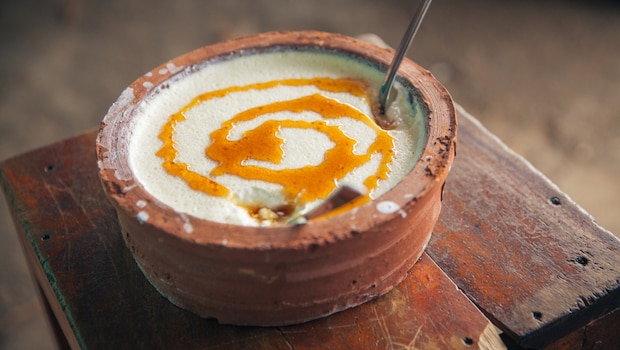
5. Use Earthen Or Insulated Containers
The container you use plays a bigger role than most realise. Traditional wisdom favoured earthen pots for a reason - they naturally regulate temperature and moisture, which helps keep curd balanced.
Why it helps:
- Earthen pots absorb excess moisture
- They keep the curd naturally cool
- Help maintain a mild flavour for longer
If you don't have an earthen pot, a thick, insulated container works better than thin steel bowls.
How To Store Curd Perfectly
Even perfectly set curd can turn sour faster if handled carelessly. Simple hygiene and storage habits can make a noticeable difference.
- Always use a clean, dry spoon
- Keep the container covered
- Avoid leaving curd at room temperature for long after use
Keeping curd from turning sour in summer is all about controlling heat, timing and storage. With small adjustments to how you set and store it, you can enjoy fresh, mildly tangy curd every day, even during peak summer.