





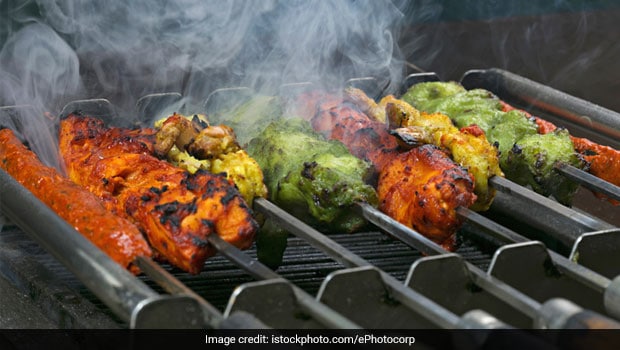
With pollution levels again hovering in the poor-to-severe range, the Delhi Pollution Control Committee (DPCC) has ordered an immediate ban on coal and firewood tandoors across hotels, restaurants, dhabas and street-side food joints. The directive, issued under the Air (Prevention and Control of Pollution) Act, requires all establishments to switch to electric or gas-based tandoors without delay.
Officials say coal-fired cooking contributes to localised particulate emissions, particularly in markets where multiple tandoors operate for long hours. The move is part of Stage-I measures under the Graded Response Action Plan (GRAP), and municipal agencies have been asked to conduct inspections and ensure immediate compliance.
Impact On Restaurants And Food Joints
The order applies to all commercial kitchens in the city, without distinction between large restaurants and small vendors.
While mid-range and premium restaurants have already adopted cleaner equipment, many smaller dhabas and roadside eateries still rely on traditional coal tandoors. They will now need to invest in compact gas or electric units to stay operational, a shift that will take both time and resources.
Also Read: Viral Video Of Tandoori Lauki Recipe Gets Over 10 Million Views, Internet Reacts
Delhi's Tandoor Culture And The Shift Ahead
For decades, the smell of burning coal at dusk has been part of the city's daily rhythm. Neighbourhood markets across Delhi, from Lajpat Nagar to Karol Bagh and Subhash Nagar, come alive each evening with the sound of naan dough hitting clay walls and tikkas sizzling over a live coal bed.
The ban disrupts more than just cooking methods. It affects a familiar sensory experience that many Delhiites associate with routine food stops. Regular diners may feel this change immediately: less smoke drifting through markets, quieter kitchens and a noticeable shift in aroma before the first bite is even served.
How The Ban Will Change Flavours
The biggest impact will be on smokiness and texture. Coal tandoors produce intense, uneven heat that creates deeper char, faster caramelisation and the layered smokiness that defines many Delhi-style tandoori dishes. Gas and electric tandoors can reach similar temperatures, but they do not mimic the natural burn pattern of coal.
What diners may notice:
- Tikkas and chaaps may taste cleaner but less smoky.
- Kebabs may have softer crusts.
- Naan and roti blistering may look slightly different, with a gentler char.
Many restaurants will adjust by using smoked oils, heavier marinades, clay-lined electric tandoors or post-cook smoking techniques. The classic coal-fired intensity, however, will be difficult to replicate exactly, especially in breads.
Also Read:Surat Street Vendor Makes "Tandoori Barbeque Khaman," Leaves Foodies In Disbelief
Can Electric Or Gas Tandoors Match The Traditional Finish?
Traditional clay tandoors powered by coal reach incredibly high temperatures and deliver rapid caramelisation - the reason Delhi's tandoori rotis and kebabs develop their deep char and smoky aroma. Electric and gas tandoors can achieve similar heat levels, but they cannot replicate the natural smoke produced by burning charcoal or wood.
To close the gap, many kitchens now rely on controlled heat settings, richer marinades and post-cook smoking. Some use engineered enhancements, such as ceramic briquettes or smoke guns, to add depth. These methods can come impressively close in well-managed kitchens, but purists will still recognise the difference. The layered complexity of coal-fired flavour remains hard to duplicate entirely.
Why Coal Tandoors Affect Air Quality
Coal tandoors are not the most significant contributors to Delhi's overall pollution, but they do produce concentrated particulate matter at street level. In crowded markets, dozens of coal tandoors burn for long hours, releasing fine particles that mix with dust, vehicle emissions and winter inversion.
These micro-emissions create pollution hotspots, where AQI readings rise rapidly. GRAP classifies coal tandoors as early-stage action items because they are easier to regulate and bring quick relief in dense commercial pockets. Removing them helps slow the escalation of pollution during winter, even if the city-wide impact is moderate.
Also Read:6 Easy Tips For Tandoori-Style Charred Paneer At Home Using Just A Tawa
Could Other Cities Implement Similar Bans?
Delhi may be the first to enforce a complete restriction, but it may not be the last. Large metros such as Mumbai, Bengaluru, Kolkata, and Lucknow also have strong tandoori cultures and experience seasonal dips in air quality. If Delhi adapts smoothly and businesses find workable alternatives, similar restrictions may follow in other cities, at least during peak pollution months.
Neighbouring NCR cities, which already fall under GRAP-linked advisories, are likely to move sooner. This could gradually reshape how tandoori dishes are cooked commercially across the country, driven not by culinary shifts but by environmental needs.