

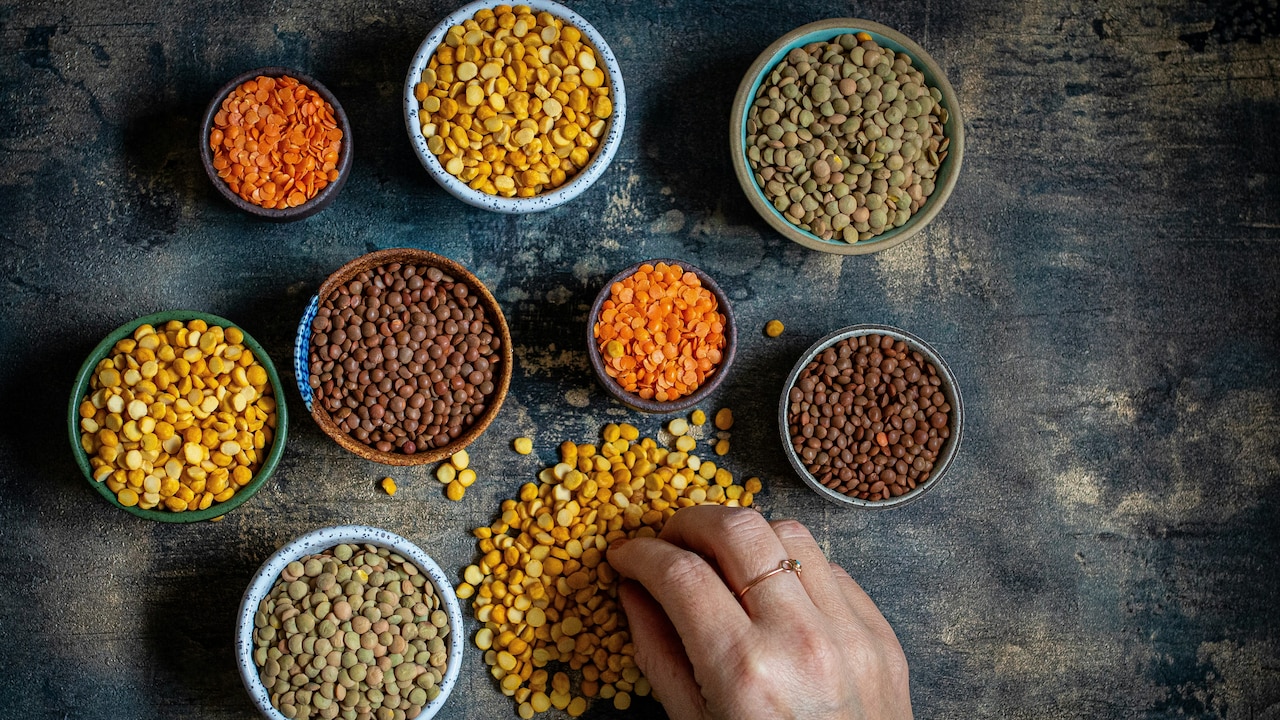
Dal is the backbone of the Indian plate. From a simple dal-chawal on a weeknight or a rich dal makhani on special occasions, lentils are among the country's most reliable plant-based protein sources. But not all dals are created equal. Some pack noticeably more protein per 100 grams than others. If your goal is to maximise protein without changing your entire diet, a few varieties stand out from the crowd.
Also Read: Chicken vs Eggs: Which Gives You More Protein For Fewer Calories?
Which Dal Has The Highest Protein: A Quick Comparison
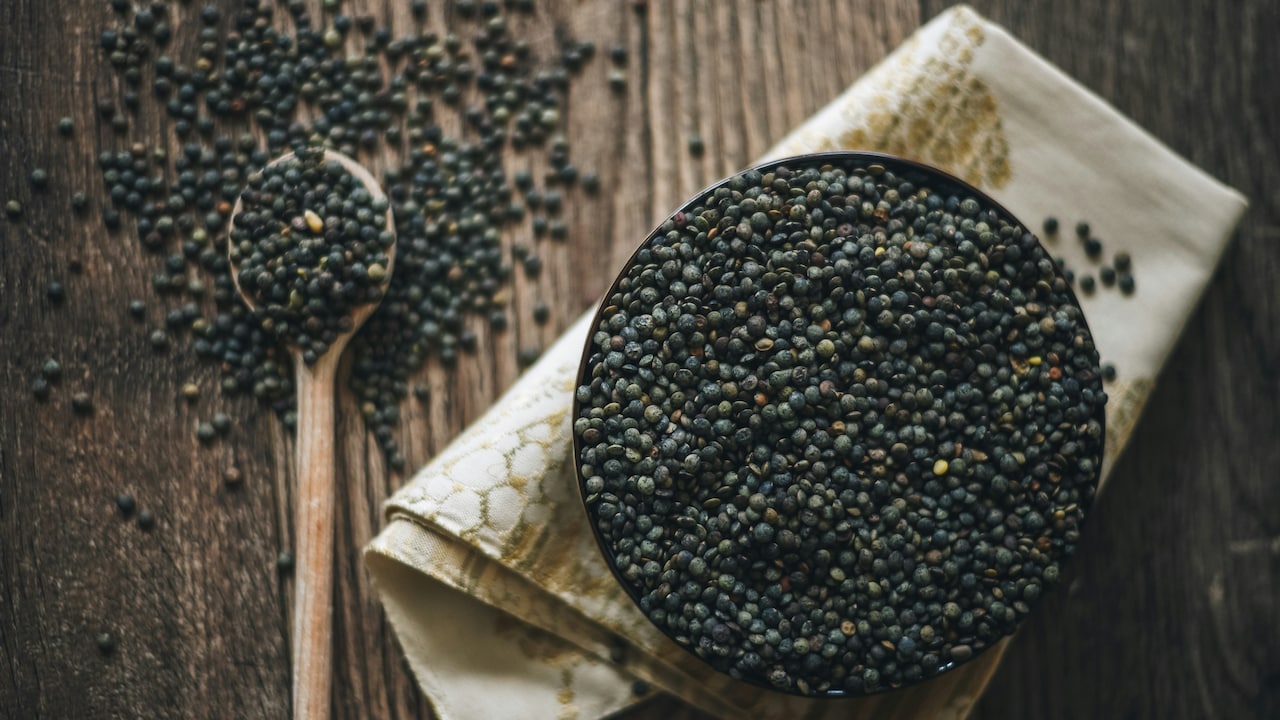
Photo: Unsplash
A 2023 study published in Frontiers in Microbiology compiled a nutrient comparison of common pulses. Per 100 g, raw:
- Urad dal (black gram): 25.21 g protein
- Masoor dal (lentil): 24.63 g protein
- Moong dal (mung bean): 23.86 g protein
- Kidney bean (rajma): 22.53 g protein
- Chana dal (chickpea): 20.47 g protein
The gap at the top is narrow enough that urad dal and masoor dal are effectively tied for first place, with moong dal close behind. Chana dal, while still an excellent protein source, falls a few grams short.
What Nutrition Experts Say About Urad And Masoor Dal
Beyond protein numbers, gut and hormone expert Dr Alka Vijayan points out that urad dal and masoor dal work quite differently inside the body.
According to her, masoor dal has Pitta-balancing properties that support liver function, and she recommends it as a daily-friendly substitute for toor dal, which she says can trigger Vata imbalance and drying of the gut, hair and skin if eaten too often. She also notes masoor dal may help with kidney stones and irregular periods.
Urad dal, on the other hand, behaves almost opposite to most other dals. Dr Vijayan describes it as moist and non-drying by nature, and recommends it for people managing bone-related concerns such as osteoporosis and osteoarthritis, as well as for supporting healthy stool bulk and blood flow.
While both are nutrient-dense choices, Dr Vijayan says they differ in how they affect the body and may suit different health needs.
Why Dal Alone Isn't The Full Protein Story
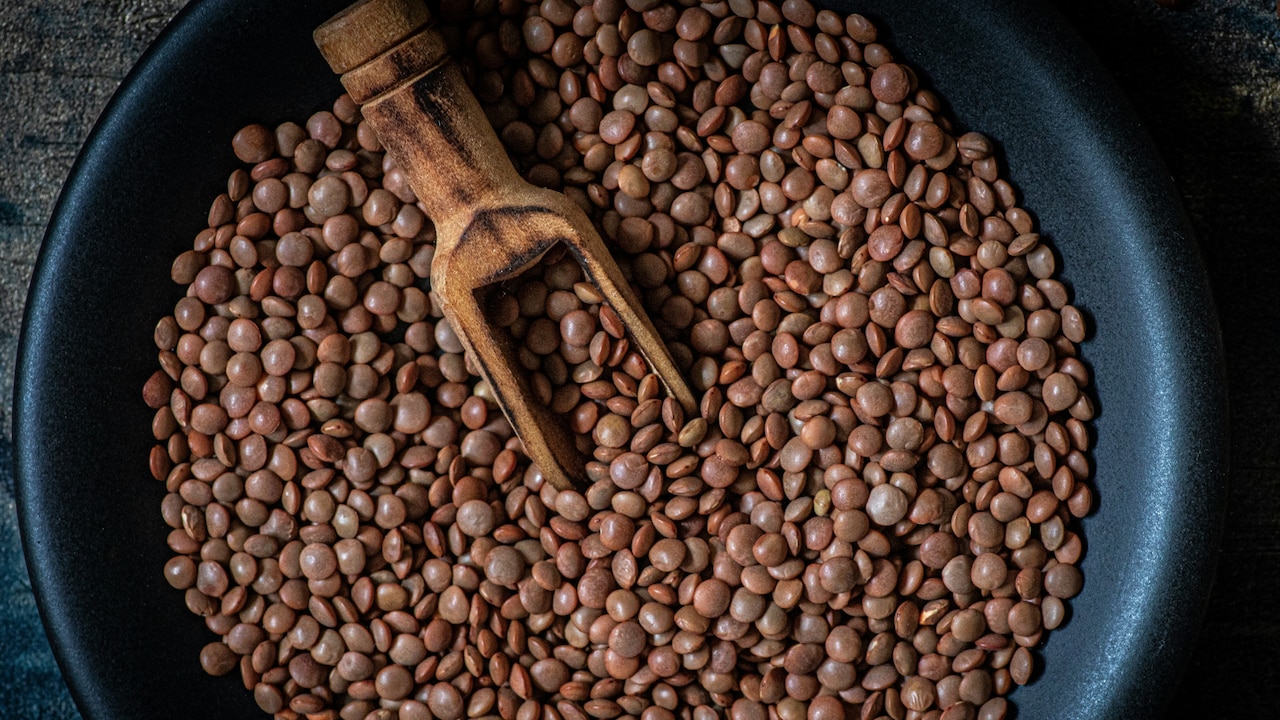
Photo: Unsplash
Here's the catch nutrition experts point to: even the highest-protein dal isn't a "complete" protein on its own.
Protein is built from 20 amino acids, nine of which the body cannot make itself and must get from food. Dals are a strong source of lysine but fall short on methionine, an amino acid that cereals such as rice and wheat supply in abundance. Rice and wheat, in turn, are low in lysine.
That's exactly why traditional Indian meals pair dal with a cereal: dal-chawal, dal-roti, khichdi and dal-dhokli. The combination isn't just a cultural habit. It closes the amino acid gap and turns two incomplete proteins into one complete one.
Also Read: What Happens When Microplastics Enter The Human Body? How To Avoid Them
Which Dal Should You Choose?
Choose urad dal if you want:
- The highest or joint-highest protein density among common dals
- A creamy texture for dishes such as dal makhani, idli or dosa
Choose masoor dal if you want:
- Comparable protein content
- Faster cooking time and a milder flavour for quick meals
So, if protein density is your priority, urad dal and masoor dal sit at the top of the list among commonly consumed Indian dals. More importantly, pairing your dal with rice, wheat or millet helps create a more complete amino acid profile, making a balanced meal nutritionally stronger than dal alone.