

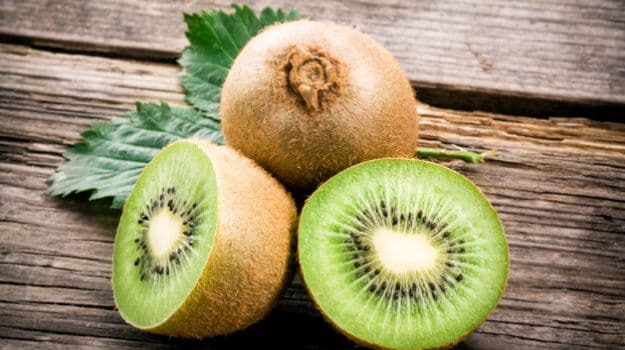
Despite growing wild throughout China for centuries, the cultivation of the kiwi fruit did not begin until the late 19th century. While it has garnered an assortment of odd names in the recent years, ranging from “melonette” and “strange fruit” to the “hairy bush fruit", kiwi got its current name as a result of a cleverly designed marketing campaign hatched in New Zealand in 1959.
The tangy fruit was introduced to India in Shimla in 1963 and later farmers experimented with several varieties in cooler regions including Himachal Pradesh, Sikkim, Jammu and Kashmir, Arunachal Pradesh, Meghalaya and the Nilgiri Hills. The short season lasts from October to December.

 "India Greatly Supported Us": Sri Lankan Minister On "Difficult Years"
 How Chef Himanshu Saini Handles Pressure Of Running 3-Michelin-Star Restaurant
 "Indian Food Is Not Just Butter Chicken": Samyukta Nair At NDTV World Summit
 "AI Chatbots Horrible For Learning": Andrew Ng At NDTV World Summit
 "India No Longer Spectator": Italy On New Delhi's Growing Peacemaker Role
 Has Indian Cuisine Finally Arrived On The Global Stage?
 Nikhil Kamath On Groww Overtaking Zerodha In Active Clients | Nikhil Kamath
 What Gen Z Has That Millennials Don't? Mohini Dey & Band Weigh In
 Chatbots Could Be Damaging Adult Learning Too: Andrew Ng
 Swami Sarvapriyananda Asks On AI Alignment; Andrew Ng Flags Risks Of Overhyping AI Fears
Most people prefer to eat it with the skin removed. An easy way to do so is to trim off the ends and insert a teaspoon between skin and flesh. Then run the spoon along the circumference to loosen the flesh. Slide it out in one piece. With the peeled fruit on its side, slice it into rounds and enjoy. Since the kiwi fruit is high in Vitamin C, it is best eaten raw as cooking kills the vitamin content as well as the lovely green colour of the fruit. It contains certain enzymes which make it a great tenderizer for meat just like lemon. Just cut the fruit in half and rub it over the meat, or peel and mash with a fork and then spread on the surface of the meat. Let it stand for 10 to 15 minutes and you get tender and flavourful meat. The fruit, however, may cause milk to curdle and will prevent the gelatine in any dish from setting. Therefore, avoid using it in ice creams or jelly. Several studies have pointed out a less known fact about the kiwi fruit - it works as a great laxative.
The consumption of kiwi along with our regular meal enables better bowel functions making it a convenient home remedy. Due to the high content of magnesium in kiwi it enables our body to convert the food we eat into energy. It replenishes our body and we feel less tired especially if our routine includes frequent visits to the gym.In case you are wondering how to add this wonderful fruit in your meals, these chefs have it covered for you!1. Kiwi Pavlova
Recipe by Chef Nikhil ChibNikhil and Natasha whip up their version of New Zealand’s national dessert with a pistachio-almond meringue and kiwis.

2. Bajra Tarts with Mango and Kiwi Custard
Recipe by Plavaneeta BorahWho knew Bajra could be turned into these dainty little tartlets holding your favourite kiwi fruit with a mix of light whipped cream?

Recipe by Chef Vicky RatnaniThe unforgiving sultry weather is challenged by this kiwi cooler by Chef Vicky Ratnani. One glass of this cold soup will charge you up for the entire day.

By Chef Sanjeev KapoorTurn that frown on your child's face upside down with this fruity cake. A recipe you can share with your little one.

A kid's delight.5. Pomegranate and Kiwi Salad
 An healthy and hearty way to eat your fruits up.